
🍋 The Lemon Take
Why this matters: A low glycemic breakfast can support steadier energy and fullness, but it is not about finding one perfect food.
TL;DR: Combine protein, fiber-rich carbohydrates, and healthy fats for a breakfast that fits your morning.
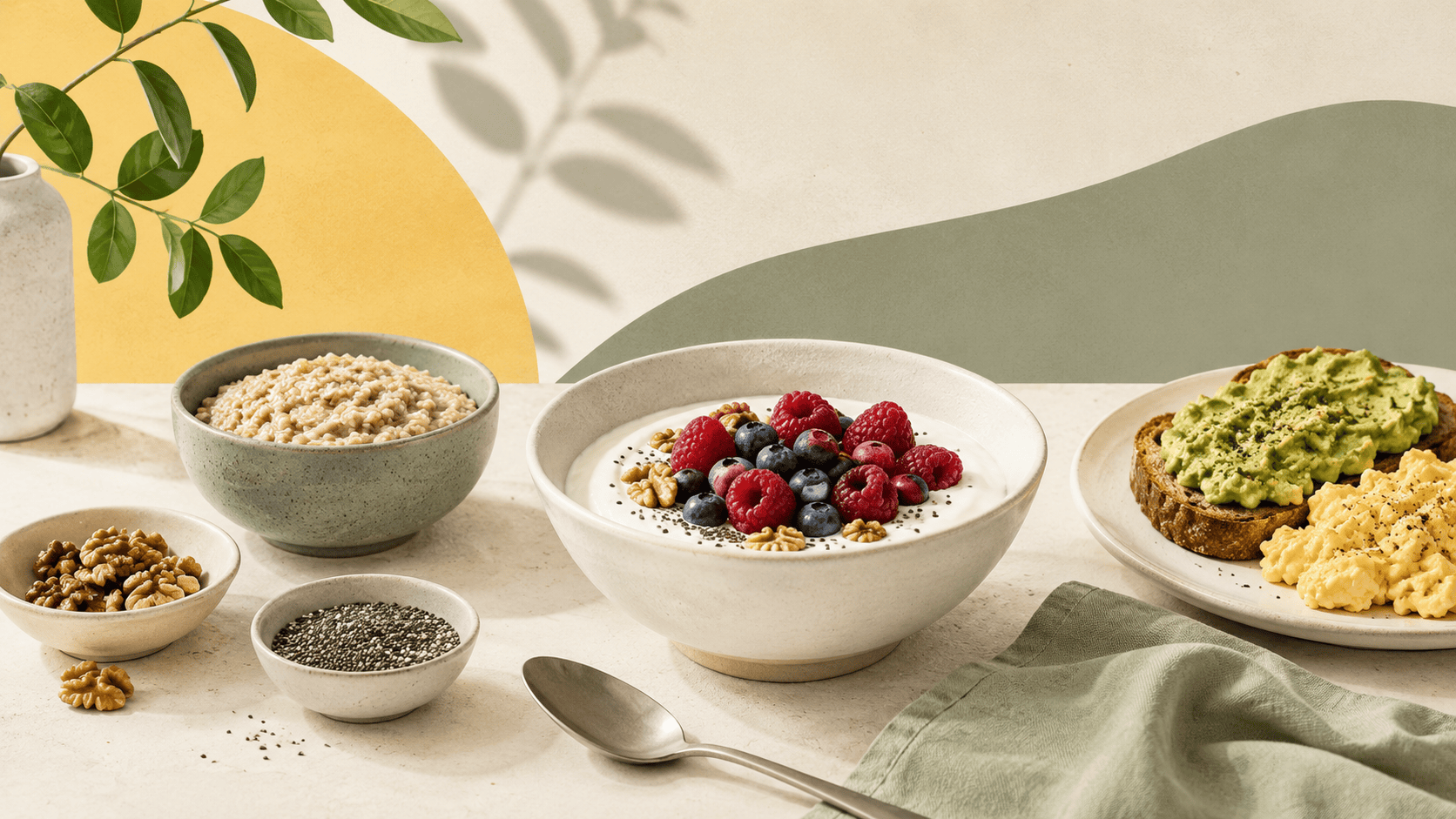
The positive: Eggs with vegetables, Greek yogurt with berries, steel-cut oats with nut butter, or a bean-and-egg tortilla can all work.
The caution: If you have prediabetes, type 2 diabetes, frequent spikes, or glucose-lowering medication, ask a clinician how breakfast fits your plan.
What Makes A Breakfast Low Glycemic?
A low glycemic breakfast is designed to reduce a rapid rise in blood glucose levels after eating. The glycemic index ranks carbohydrate-containing foods by how quickly they raise blood sugar levels compared with a reference food. Lower-glycemic foods usually digest more slowly, especially when they contain fiber, protein, or fat.
But breakfast is more than one number. White bread may raise blood sugar quickly for many people, while steel-cut oats, rolled oats, beans, berries, and whole grains may lead to a slower response. Still, the same food can affect two people differently. Sleep, stress, exercise, medications, food order, and portion sizes can all change the response.
That is why the goal is not to memorize a perfect list. The goal is to build breakfasts that keep you full, fit your morning, and support steadier energy.
The Simple Formula: Protein, Fiber, And Healthy Fats
Start with protein. Eggs, scrambled eggs, cottage cheese, greek yogurt, tofu, beans, and protein powder can all help make breakfast more filling. Protein slows digestion and helps reduce the "I'm hungry again in an hour" problem.
Add fiber-rich carbohydrates. Whole grains such as steel-cut oats, rolled oats, muesli, or a whole-wheat-flour tortilla can work better for many people than low-fiber refined grains. Whole fruit is usually a better choice than fruit juice because it includes fiber and takes longer to eat. Blueberries, raspberries, apples, and pears are common breakfast options.
Include healthy fats. Avocado, walnuts, chia seeds, almond butter, peanut butter, and other nut butter options can help with satiety. Fat slows stomach emptying, so a small amount can make breakfast last longer. The trick is portion awareness because fats are calorie-dense.
Low-Glycemic Breakfast Ideas For Real Mornings
Greek Yogurt Berry Bowl
Use plain greek yogurt, blueberries, raspberries, chia seeds, cinnamon, and walnuts. This gives protein, fiber, and healthy fats without needing a complicated recipe. If you use skim milk in a smoothie version, add chia seeds, nut butter, or protein powder so it is more filling.
Egg And Vegetable Plate
Make scrambled eggs or an omelet with spinach, mushrooms, and avocado on the side. Add black beans if you want more fiber and a slower-digesting carbohydrate. This is a strong option for people who prefer savory breakfasts.
Steel-Cut Oats With Protein
Cook steel-cut oats, rolled oats, or overnight oats, then add greek yogurt, cottage cheese, protein powder, peanut butter, almond butter, chia seeds, and cinnamon. Oats alone may not keep everyone full. Adding protein and fat often makes the meal more balanced.
Bean And Egg Tortilla
Use a small whole-wheat-flour tortilla with eggs, black beans, spinach, avocado, and salsa. This works well when you need something portable. If tortillas spike your blood sugar, try a smaller portion, more eggs and vegetables, or a different wrap.
Muesli With Yogurt And Nuts
Choose unsweetened muesli with whole grains, seeds, and nuts. Pair it with greek yogurt or cottage cheese. Add blueberries or raspberries instead of sweetened dried fruit if you are watching added sugar.
Common Breakfasts And Steadier Swaps
| Common Breakfast | Why It May Not Last | Steadier Swap |
|---|---|---|
| White bread toast with jam | Low fiber and fast-digesting carbs | Whole-grain toast with eggs or peanut butter |
| Fruit juice and a muffin | Liquid sugar plus refined starch | Whole fruit with greek yogurt and chia seeds |
| Sweetened cereal with skim milk | May be low in protein and fiber | Muesli with greek yogurt, walnuts, and berries |
| Plain oats with sugar | Oats are helpful, but sugar alone may not satisfy | Steel-cut oats with protein powder, cinnamon, and almond butter |
| Coffee only | May lead to hunger or overeating later | Cottage cheese, berries, and nuts alongside coffee |
These are not moral judgments. They are practical swaps. The best breakfast is the one that supports your morning and does not create a rebound problem by 10 a.m.
What The Research And Guidelines Support
Diabetes organizations often emphasize balanced eating patterns that include non-starchy vegetables, lean or plant protein, quality carbohydrates, healthy fats, and less added sugar. The glycemic index can help some people choose carbohydrates that support steadier blood sugar levels, but it is only one tool. A low-GI food is not automatically nutritious, and a high-GI food is not automatically forbidden.
For people with prediabetes or type 2 diabetes, breakfast can be especially important because some people experience a stronger morning glucose response. If you use a continuous glucose monitor or finger-stick testing, you may notice that oatmeal, tortilla, fruit, or even coffee affects you differently than it affects someone else. Use the data as feedback, not as a reason to panic.
How To Personalize Your Breakfast
Try one breakfast for three or four mornings and track simple signals: hunger after two to three hours, energy, cravings, mood, and blood sugar if you monitor it. Then adjust one variable. Add more protein. Reduce the portion of starch. Swap fruit juice for whole fruit. Add chia seeds or walnuts. Move a walk to after breakfast.
This is where Lemon Health can help. Lemon is the AI for your health, designed to connect your meals, goals, preferences, wearables, apps, and routine into simple next steps. Instead of giving you a generic low gi breakfast list, Lemon can help you notice which breakfast fits your schedule and supports your energy.
Lemon is not a medical provider and does not diagnose or treat diabetes. It can help you translate data and habits into practical actions you can discuss with your care team when needed.
Who Should Be Cautious
Talk with a healthcare professional if you have prediabetes, type 2 diabetes, take insulin or glucose-lowering medications, are pregnant, have a history of eating disorders, or experience frequent blood sugar spikes or lows. Low-glycemic does not always mean low-carbohydrate, and medication timing may need to match meal timing.
FAQs
Q: What is a good low glycemic breakfast for steady energy?
A: A strong option includes protein, fiber-rich carbohydrates, and healthy fats, such as greek yogurt with berries and chia seeds or eggs with spinach, black beans, and avocado.
Q: Are oats okay for blood sugar?
A: Many people do better with steel-cut oats or rolled oats than sweetened instant oatmeal. Adding protein and fat, such as greek yogurt, protein powder, walnuts, or peanut butter, may improve fullness.
Q: Is fruit bad for a low-glycemic breakfast?
A: No. Whole fruit such as blueberries or raspberries can fit well. Fruit juice is more likely to raise blood sugar quickly because it lacks the fiber structure of whole fruit.
Q: Do I need to avoid bread completely?
A: Not necessarily. White bread may cause a faster rise for many people, but portion size, protein pairing, and the type of bread all matter.
Related Resources
References
- American Diabetes Association. Eating Healthy.
- Diabetes UK. Glycaemic Index and Diabetes.
- Centers for Disease Control and Prevention. Healthy Eating for Diabetes.
- Cell. Personalized Nutrition by Prediction of Glycemic Responses.
Disclaimer: This content is for educational and general wellness purposes only and is not medical advice. Always consult a qualified healthcare professional about your health decisions.
 Get Started
 Get Started