
🍋 The Lemon Take
Why this matters: Macros shape hunger, energy, and calorie intake, but they do not need to become another rulebook.
TL;DR: Start with protein, fiber-rich carbs, and healthy fats in portions you can repeat.
The positive: A flexible macro approach can support satiety, consistency, and realistic weight loss.
The caution: Talk with a healthcare professional before major diet changes if you have diabetes, kidney disease, pregnancy, or a history of disordered eating.
Why Macros Matter, But Do Not Need To Take Over Your Life
Macros, short for macronutrients, are the three major nutrients that provide energy: protein, carbohydrates, and fat. Each macronutrient affects your body differently. Protein provides amino acids that support muscle repair, maintenance, and muscle growth. Carbohydrates are a key energy source, especially for the brain and higher-intensity movement. Fat helps with hormone production, vitamin absorption, and flavor.
For weight loss, macros matter mostly because they influence calorie intake, hunger, glucose swings, energy, and whether your meals feel satisfying. But they are not magic. Fat loss still generally requires a calorie deficit, meaning your average intake is lower than what your body uses over time. The goal is not to make the largest deficit possible. The goal is to create a pattern that is safe, steady, and sustainable.
That is why the "perfect" macro ratio is less important than the question most people actually need answered: can I eat this way on a busy Tuesday, feel reasonably full, and still move toward my goals?
So, What Are The Best Macros For Weight Loss?
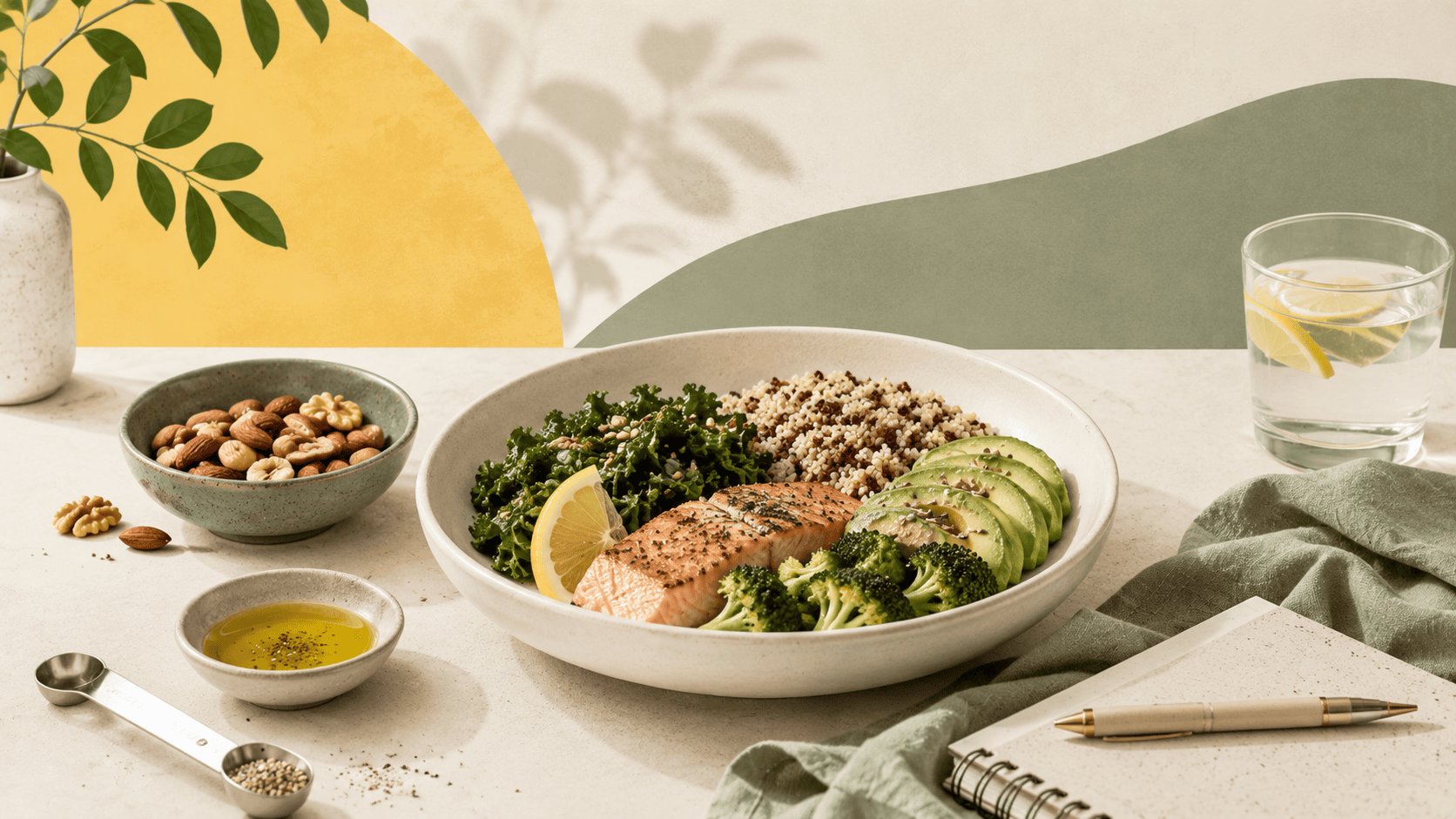
A practical starting point is to build most meals around protein, fiber-rich carbohydrates, and healthy fats.
Protein is often the anchor because it supports satiety and helps preserve muscle mass while you lose weight. Good options include eggs, fish, poultry, tofu, Greek yogurt, beans, lentils, and other legumes. Protein also has a higher thermic effect than carbohydrates or fat, meaning your body uses more energy to digest and process it. That does not make protein a shortcut, but it can make meals feel more filling.
Carbohydrates are not the enemy. The type and portion matter. Whole grains, beans, lentils, vegetables, fruit, and other complex carbohydrates usually bring more fiber and micronutrients than refined carbs. Starches such as oats, potatoes, rice, and whole-grain bread can fit into a meal plan, especially when paired with protein and vegetables. For some people, especially those tracking glucose or managing insulin resistance, the same carbohydrate portion can feel very different depending on sleep, stress, timing, and activity.
Fat is more calorie-dense, with 9 calories per gram compared with 4 calories per gram for protein and carbohydrates. That does not make fat "bad." It simply means portions matter. Healthy fats from olive oil, avocado, nuts, seeds, and fish can make meals satisfying. Omega-3 fatty acids, monounsaturated fats, and other unsaturated fats are usually better everyday choices than a pattern high in saturated fat.
A Simple Plate Method Instead Of Tracking Everything
If counting macros feels overwhelming, use a visual plate first:
- Fill about half your plate with non-starchy vegetables or high-fiber produce.
- Add a palm-sized portion of protein.
- Add a cupped-hand portion of whole grains, beans, fruit, or another fiber-rich carbohydrate.
- Add a thumb-sized portion of healthy fats such as olive oil, avocado, nuts, or seeds.
This does not replace individualized nutrition advice, but it gives you a lower-friction way to build meals. A practical lunch might be a chicken and quinoa bowl with greens, tomatoes, chickpeas, olive oil, and yogurt sauce. A plant-based version might use tofu, lentils, brown rice, roasted vegetables, and tahini. Both meals include protein, carbohydrates, fat, fiber, and enough variety to support micronutrients.
What If You Want A Macro Split?
A macro split is the percentage of your calories that come from protein, carbohydrates, and fat. You may also see this called a macro ratio or macronutrient ratio. A common mistake is asking, "What macro split is best?" before asking, "What is my routine, activity level, health context, and appetite like?"
A person who walks daily and wants steady weight loss may need a different macro ratio than someone doing strength training three times per week. Someone with type 2 diabetes may need closer attention to carbohydrate quality, portion timing, and blood glucose response. Someone with kidney disease may need individualized protein guidance from a clinician or dietitian.
The acceptable macronutrient distribution range used in nutrition guidance can help frame broad intake ranges, but it is not a personalized prescription. Tools like a macro calculator may estimate TDEE, or total daily energy expenditure, using basal metabolic rate, BMR, body size, sex, age, and an activity factor. That estimate is only a starting point. Your real calorie needs can shift with body composition, body fat percentage, sleep, stress, training, medication, and changes in daily movement.
When Counting Macros Can Help, and When It Can Backfire
Counting macros can be useful if you are learning what portions look like, trying to get enough protein, or troubleshooting a plateau. Some people use MyFitnessPal, a food scale, nutrition labels, or another tracking app for a short learning phase. Others prefer calorie counting or calorie awareness without exact macro counting.
The risk is that tracking can become mentally heavy. If you feel anxious, guilty, or rigid around food, tracking may not be the right tool. For many people, a better first step is not "track your macros forever." It is to notice patterns: Does breakfast keep you full? Do refined carbs alone lead to a quick energy crash? Does a higher-protein lunch reduce afternoon snacking? Do whole grains or legumes support steadier glucose than a low-fiber option?
Practical Macro Plate Examples
Here are simple meal ideas that apply macro thinking without requiring a spreadsheet.
Breakfast: Greek yogurt with berries, chia seeds, walnuts, and oats. Protein supports fullness, oats and berries provide complex carbohydrates, and nuts or seeds add fat.
Lunch: Turkey, tofu, or bean bowl with brown rice, roasted vegetables, avocado, and salsa. This gives a balance of protein, carbohydrates, and healthy fats.
Dinner: Salmon, lentils, or chicken with sweet potato, greens, olive oil, and a side salad. This can support satiety while keeping calorie intake easier to manage.
Snack: Cottage cheese with fruit, hummus with vegetables, or apple slices with peanut butter. The goal is not perfection. It is pairing protein, fiber, and fat so the snack actually works.
Who Should Be Cautious
Talk to a healthcare professional or registered dietitian before changing your macros significantly if you have type 2 diabetes, kidney disease, liver disease, are pregnant or breastfeeding, take glucose-lowering medication, have a history of an eating disorder, or have been told to follow a medical nutrition plan.
Be especially careful with very low-fat diet plans, very low-carbohydrate plans, or any plan that removes entire food groups without a clear medical reason. These approaches may help some people in specific contexts, but they are not automatically safer or better.
How Lemon Health Can Help
Lemon Health is the AI for your health, designed to help connect your lifestyle, goals, preferences, routines, wearables, and apps into simple actions. For macros, that means the next step might not be "calculate everything." It might be: add a protein source to breakfast, swap a low-fiber starch for whole grains, plan two higher-satiety lunches, or adjust dinner based on your activity level and glucose patterns.
Lemon is not a medical provider and does not diagnose or treat conditions. Its role is to help make the next healthy action clearer, easier, and more timely.
FAQs
Q: What are the best macros for weight loss if I do not want to track everything?
A: Start with protein at each meal, fiber-rich carbohydrates such as whole grains or legumes, and small portions of healthy fats. This supports satiety and calorie awareness without requiring strict macro counting.
Q: Do I need a macro calculator to lose weight?
A: No. A macro calculator can estimate TDEE, BMR, and calorie needs, but estimates are imperfect. Many people can make progress with consistent meals, portions, and activity before using detailed tracking.
Q: Are carbohydrates bad for weight loss?
A: No. Carbohydrates can fit into weight loss, especially complex carbohydrates that contain fiber and micronutrients. Portion size and food quality matter more than avoiding carbs entirely.
Q: How do I know if my macro split is working?
A: Look at energy, hunger, weight trend, strength, body composition, and how easy the plan is to repeat. A plan that only works for three days is usually not the right plan.
Related Resources
References
- National Institute of Diabetes and Digestive and Kidney Diseases. Treatment for Overweight & Obesity.
- USDA National Agricultural Library. DRI Calculator for Healthcare Professionals.
- American Diabetes Association. Eating Healthy.
- The New England Journal of Medicine. Comparison of Weight-Loss Diets with Different Compositions of Fat, Protein, and Carbohydrates.
- The American Journal of Clinical Nutrition. Effects of energy-restricted high-protein, low-fat compared with standard-protein, low-fat diets: a meta-analysis of randomized controlled trials.
Disclaimer: This content is for educational and general wellness purposes only and is not medical advice. Always consult a qualified healthcare professional about your health decisions.
 Get Started
 Get Started