
🍋 The Lemon Take
Why this matters: Health data can be confusing because most people have more metrics, dashboards, and app notifications than clear next steps.
TL;DR: Health data is useful when it helps you choose one safe, realistic next action — not when it makes you chase every metric.
The positive: You can use wearable data, sleep patterns, meals, activity, routines, and personal goals to make healthier decisions without interpreting every number alone.
The caution: Do not treat consumer health data as a diagnosis, overinterpret one abnormal metric, or use Lemon in place of clinicians, healthcare professionals, or urgent medical care when symptoms or clinical readings are concerning.
Why Health Data Often Feels Overwhelming
Most people do not need more numbers. They need to know what to do next.
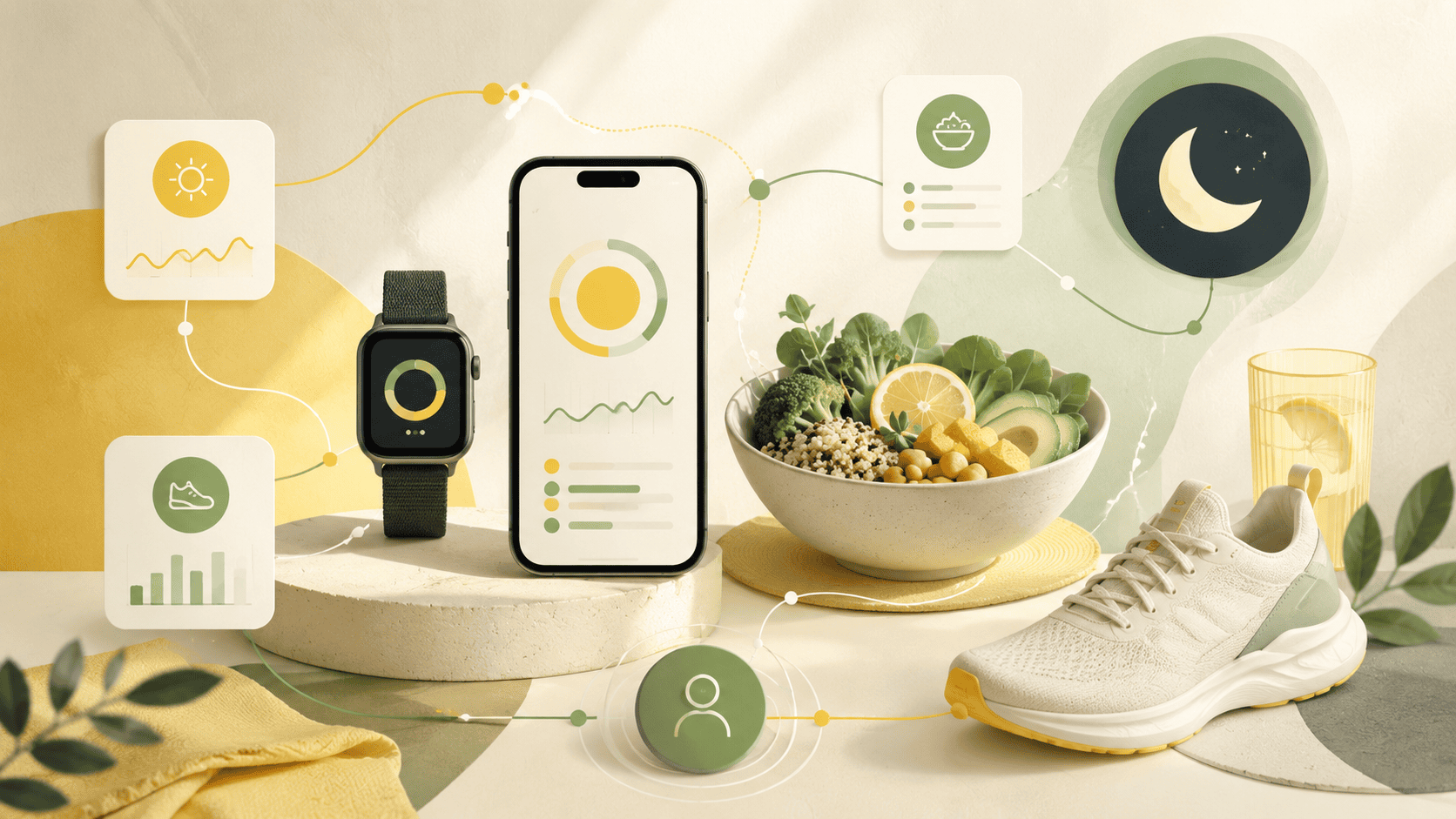
A wearable may show heart rate, steps, calories, readiness, workout minutes, and sleep quality. A food app may track protein, fiber, meals, or hydration. A calendar may show that the day is packed. A blood pressure cuff, glucose monitor, or lab report may show medical data or patient data worth discussing with healthcare professionals.
The problem is that these data sources usually live in separate places. One app has sleep. Another has workouts. Another has meals. Another has appointments. The result is a fragmented ecosystem where the user is left to connect the dots.
That is the difference between health data and health data insights. Health data is the raw signal. A data insight explains what the signal may mean. Actionable insights help you make an informed decision in the real world.
A week of short sleep, lower steps, and higher resting heart rate may suggest that recovery needs attention. It does not mean you have a disease. It may simply be a useful signal to choose a gentler workout, prioritize sleep, hydrate, or check in with a clinician if symptoms are present.
What Counts As Health Data?
Health data can include more than healthcare data from a clinic. In everyday life, it may include sleep patterns, steps, workouts, heart rate, meals, hydration, caffeine, alcohol, goals, preferences, schedule, energy, stress, routines, and clinical information you choose to track, such as heart rate, blood pressure readings, glucose trends, cholesterol results, medications, or clinician-recommended targets.
A single metric rarely tells the whole story. A high resting heart rate might reflect stress or anxiety, illness, thyroid disorders, heart rhythm problems, high blood pressure, anemia, alcohol, poor sleep, hard training, dehydration, medication effects, or measurement noise. That is why data quality and context matter. Good data management connects the right information in a way that supports better decision-making.
From Metrics To Actionable Insights
A metric says, "Your sleep was shorter."
A data insight says, "Your sleep has been shorter for three nights, and your workouts feel harder."
An action says, "Take a lighter walk today, move caffeine earlier, and set a 20-minute wind-down reminder tonight."
That third step is where many tools fall short. Dashboards and data visualization can show patterns, but a chart alone does not always change behavior. The hard part is knowing which action matters most today.
That gap matters because a useful insight should reduce friction, not add another dashboard to interpret.
For example, if sleep has been poor for several nights, the action may be a lower-intensity workout and earlier wind-down time. If steps drop on office days, the action may be a 10-minute walk after lunch. If breakfast protein is consistently low, the action may be one repeatable breakfast you actually like. This is the difference between passive tracking and data-driven support.
How Lemon Connects The Signals
Lemon works like a personalized health companion. It can learn from your goals, lifestyle, preferences, apps, trackers, schedule, and feedback. Instead of treating each signal as separate, Lemon helps connect them into a more usable picture.
That kind of real-time support matters because health decisions usually happen in ordinary moments: before breakfast, between meetings, after a bad night of sleep, at the grocery store, or when motivation is low. Lemon may help a user see that poor sleep, a packed calendar, and a hard workout plan are not the best combination, or that movement works better after lunch than at the end of the day.
Why Personalization Matters
Generic health advice often fails because it ignores the individual person. Useful health data insights should account for schedule, food preferences, fitness level, injury history, sleep patterns, family responsibilities, access to care, medication use, chronic conditions, and goals. That is especially important for people who feel motivated but stuck.
Where AI Can Help And Where It Should Be Limited
AI may help summarize patterns, but consumer data can be incomplete or noisy, so recommendations should stay conservative and wellness-focused. It can help notice repeated behaviors and reduce the mental load of interpreting every metric manually.
For Lemon, the goal is narrower and safer: helping people turn everyday signals into practical wellness choices while leaving clinical interpretation to healthcare professionals.
Lemon is different: it is not a healthcare system, payer, clinician, or medical decision-maker. It is a wellness companion for practical, personalized actions. AI can support everyday decision-making, but it should not diagnose disease, prescribe treatment, interpret urgent symptoms, or replace patient care.
What Lemon Does Not Do
Trust depends on clear boundaries. Lemon does not diagnose disease, prescribe treatment, replace clinicians, make medication decisions, or turn consumer health data into medical advice. It is not a substitute for healthcare providers, emergency care, or an ongoing care plan.
Talk to a healthcare professional if your heart rate, blood pressure, or glucose readings are repeatedly abnormal, your sleep data suggests possible sleep apnea, you have chest pain, indigestion-like chest discomfort, or severe shortness of breath, you are pregnant, you are managing a chronic condition, or you are changing medications, supplements, or treatment routines.
Lemon can help organize patterns and support daily routines. Healthcare professionals remain essential for clinical decisions.
What Good Health Data Insights Should Feel Like
Good insights should be simple, specific, and timely. Instead of "optimize your wellness," a useful insight might say, "You slept 5.5 hours and have a busy afternoon, so do a 20-minute Zone 2 walk instead of a hard workout today." Instead of "improve your nutrition," it might say, "You have had low protein at breakfast three days this week; try Greek yogurt, eggs, tofu, or a protein-rich smoothie tomorrow." The best insights reduce friction and show the next useful action.
How To Get Better Insights From Your Own Data
Start with one goal. Do you want better sleep, lower stress, improved fitness, healthier meals, weight loss support, or more consistent routines? Then choose a few metrics that actually relate to that goal.
For sleep, track bedtime, wake time, total sleep time, energy, caffeine, alcohol, and late meals. For fitness, track workouts, steps, soreness, resting heart rate, and recovery. For heart health, track blood pressure, blood sugar values, lipid panel results, coronary artery calcium score if your clinician recommends it, sodium patterns, activity, sleep, and medication questions.
The CDC recommends regular physical activity for adults and emphasizes both aerobic activity and muscle-strengthening activity as part of overall health. Sleep is also an important part of health, and NINDS explains how sleep stages and sleep quality relate to brain and body function.
Most importantly, look for trends. One bad night is usually noise. Ten days of poor sleep may be a signal.
A simple approach: pick one outcome, choose three signals, add context such as stress or travel, choose one small action, and bring medical concerns to a clinician. Use data as context for a conversation, not as a diagnosis.
How Lemon Helps Turn Intention Into Action
Many people already know the broad rules of healthy living. They know sleep, movement, and meals matter. What they often lack is a system that helps them act at the right time.
Lemon helps by connecting health data, goals, preferences, habits, and context into timely recommendations. Instead of asking the user to interpret every metric, Lemon can help answer practical questions:
- What is the most useful action for today?
- Should I push harder or recover?
- What meal fits my goal and schedule?
- What might be worth discussing with a healthcare professional?
That is where health data insights become meaningful: they help someone choose what to do next.
FAQs
Q: What Are Health Data Insights?
A: Health data insights are interpretations of health data that help you understand patterns and make informed decisions. The best insights turn metrics, context, and trends into practical actions.
Q: How Is A Data Insight Different From A Dashboard?
A: A dashboard shows data visualization, such as charts or metrics. A data insight explains what a pattern may mean and what action may be useful. Lemon focuses on helping users move from dashboards to actionable insights.
Q: Does Lemon Replace A Doctor?
A: No. Lemon is a wellness companion that supports daily actions. It is not a healthcare provider, diagnostic tool, treatment platform, payer, or replacement for clinicians.
Q: What Data Sources Can Be Useful?
A: Useful data sources may include wearable data, health apps, sleep, activity, meals, routines, preferences, goals, manually tracked readings, and clinician-recommended measurements such as blood pressure.
Q: Can Health Data Be Wrong?
A: Yes. Wearables, apps, and consumer devices can be noisy, incomplete, or inconsistent. Use them as signals and trends, not perfect medical measurements.
Q: When Should I Talk To A Healthcare Professional?
A: Talk to a healthcare professional if your readings are repeatedly abnormal, symptoms are concerning, you have a chronic condition, you are pregnant, or you are making decisions about medication, treatment, or clinical care.
Related Resources
References
- CDC. Adult Physical Activity Guidance.
- NINDS. Brain Basics: Understanding Sleep.
- The Lancet Digital Health. Effectiveness of wearable activity trackers to increase physical activity and improve health.
Disclaimer: This content is for educational and general wellness purposes only and is not medical advice. Always consult a qualified healthcare professional about your health decisions.
 Get Started
 Get Started